
The wicked problem of biodiversity offsets
Changes to federal environment protection law is putting land developers in a costly Catch-22, according to Brisbane biodiversity offsets specialist earthtrade.
Reforms to the Environment Protection and Biodiversity Conservation Act 1999 (EPBC Act), passed by federal parliament in November 2025, were intended to create a more consistent and less time-consuming approvals process.
Many proponents were now being asked to lock in biodiversity offset spending before reaching a final investment decision Earthtrade director Alan Key said.
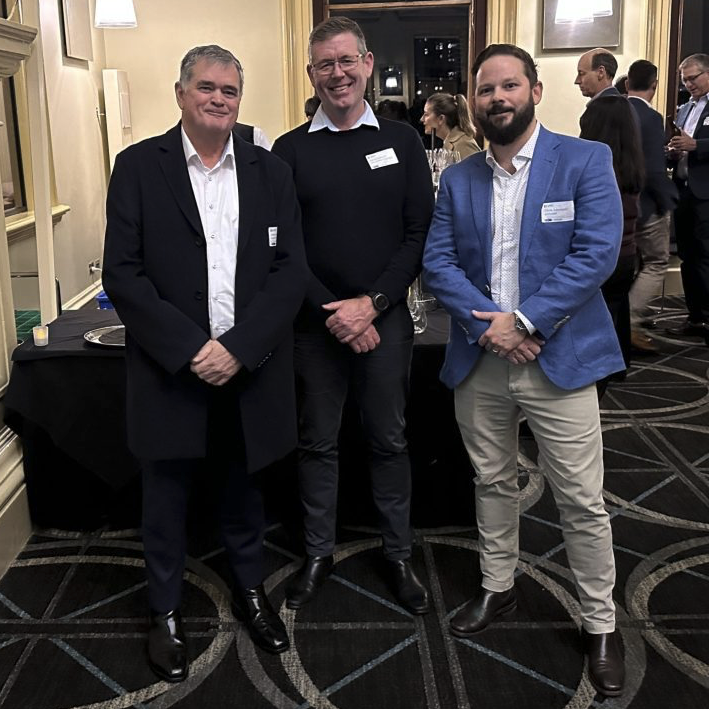
Under the previous approach, proponents could secure approval and finalise offsets later through what was known as a post-approval process, Mr Key said.
“Offsets are now part of the development application. So, the money needs to be raised, contracts drafted and commitments made to get the approval.
“Many clients don’t have that money or the authority to enter into those contracts before getting final investment approval so they can’t make their development application. It just goes round in circles. That’s the biggest impediment from a business point of view.”
Mr Key said the changes were also creating conflict because too much was left to interpretation.
“Even these new national environmental standards and guidance policies don’t strictly dictate how the regulator will interpret impacts relative to offsets, relative to our mitigation hierarchy.
“That’s completely up to the regulator, the case officer on the day. And those case officers change throughout the period of the project. So those interpretations change.
“There are few guidelines on what is and what isn’t considered appropriate impacts renewables or mining companies that are used to dealing with the mine or electricity safety regulator, where there are very strict guidelines to follow.”
He said proponents were also being forced to deal with shifting scientific expectations during the approvals process.
“The other complicating thing is it is natural-science and it’s not engineering-based. So you’ve got academia and scientists constantly doing research into natural systems.
“The regulator will come along and say, ‘Look, this new science has come to light. Start again. You need to send the ecologist out to get this data to match this new science.’ That gets very frustrating.”
Brisbane and UK-based environmental consultancy earthtrade specialises in biodiversity offsets and long-term compliance for land developers.