

What Do Biodiversity Offsets Cost in Australia in 2026?
The core question we often receive from clients on projects is simple – “What is this going to cost me?”. And unfortunately, the answer, as if often the case in consulting is – “it depends”. It’s going to depend on region, type, scale, intensity, regulatory requirements, ratios, macro and micro economics, family planning, payment styles and then at the end of the day – it’s going to depend on meeting in the middle on what the project needs and what landholders want.
Offsets are, in part, a legislated derivative of land.
What does this mean for you as a landholder or a project developer? The offset’s cost is going to depend on the land that it’s placed on. Prime grazing land in any market is going to come with a higher implied cost base as compared to rangelands that a beast will never walk into. This also means that pricing is dependent on the underlying features of the property – Central Queensland will see price increases as cattle prices appreciate, credits dependent on the Monaro in New South Wales may see credit prices appreciate with sheep prices.
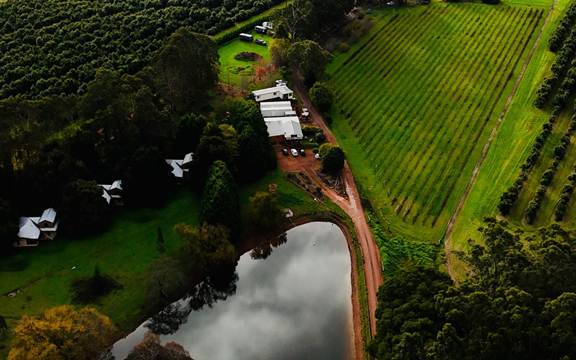
The economics of offsets
I’ll be frank – very rarely do we see prices go down for offsets and credits, but this relates more to their unique economics. The core of this surrounds the unique nature of the market – one side, while limited in scope and scale), is legally obliged to pursue them in some way, shape or form. That doesn’t mean they have to pursue them from only listed supply, but they do have purchase/secure offsets. The supply side on the other hand does not necessarily need to transact at all.
The demand side of the offset fundamentally only derives benefit from an offset – the permission to build their project. It becomes a cos of doing business best choice is a function of cost, cashflow, complexity and consultation. Landholders potentially derive significantly more relative loss – relative income is lost, land value is lost, properties can become more complex to operate even with management aside. Compounding this – families often have to be consulted, inheritances need to be reevaluated, not to mention tax, mortgage, legal and agronomic considerations. Therefore, while transactions might become more flexible when economic pressures (eg rates and commodity pricing) mount, pricing will often not decline.

The Regulatory Side
Depending on your jurisdiction – the relevant regulator is going to have different levels of input and say on the complexity of an offset. In NSW, sites are generally pre-developed and credits awarded when a supplier elects to setup a site. They will have already decided the management actions, the ecological uplift and will have received the credits. Simple. In other jurisdictions – its not so easy. In Queensland in particular – there is no formal crediting framework. Every offset is assessed, negotiated, reviewed, adjusted and debated with the federal regulator. This will affect the management intensity, the ecological uplift and ultimately – the scale of the offset.
Show me the money – what do the dollars say
Again – that’s going to depend on the where, the what and the how. In Central Queensland, land that supports Brigalow TEC and Ornamental Snake can trade for anywhere from $5k-$7k/ha. If you’re getting a 5x multiplier – you’re already at a base cost of $35k/impact ha before even looking at premiums. Management can then run as high if not higher depending on the quality of the management plan and its consideration – that’s $70k/impact ha before considering premiums, monitoring and reporting, ecologists etc. In New South Wales since the start of 2026, ecosystem credits have traded from $39k down to $1k (excluding some $0 and $0.01 internal trades) again depending on the type of ecosystem and fundamentally where it is.
The TLDR for both sides of the market
Ultimately – information is power. If you are a project developer – knowing that a. you will need something and b. what it is and it could cost ahead of time means that you can not only be prepared for the inevitable budget battles – but you can also shop around. For landholders – knowing the realities of these markets, being prepared to enter them if they suit, and knowing when to turn away if they don’t, will only make it easier for you to enter into and finalise a transaction if one does come your way.